Open Water Swimming for Triathletes: The Complete Guide.
Pool swimming and open water swimming are different sports. Here is everything a triathlete needs to know to stop losing time in the water and start owning the swim leg.
TRIATHLETE OPEN WATER GUIDE


Why Most Triathletes Struggle in Open Water.
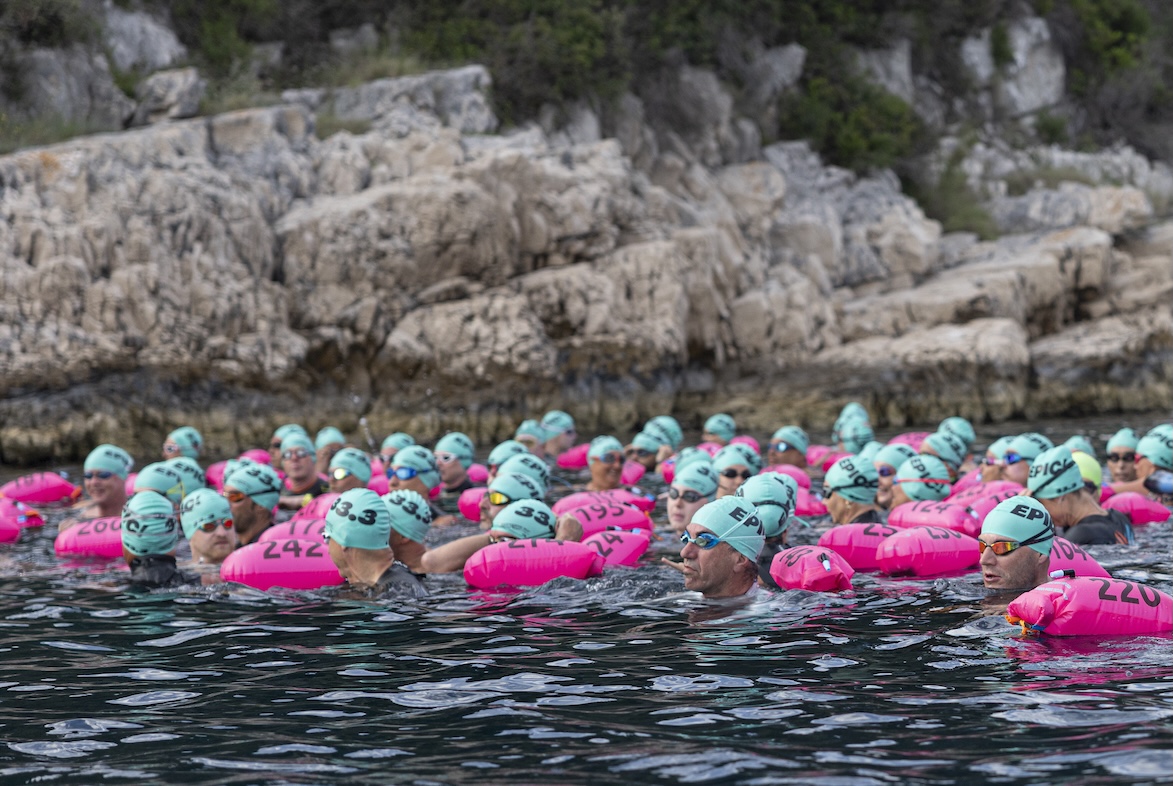
The pool is predictable. Lanes, walls, black lines, controlled temperature, zero current. Open water gives you none of that. Sighting burns energy. The churn of a mass start can destroy rhythm. Cold water triggers a panic response in swimmers who have never experienced it. And without a lane rope, even the best pool swimmers can veer dramatically off course.
The good news: these are all learnable skills. Every triathlete who struggles in open water can be transformed with targeted practice. The difference between a stressful swim and a controlled, fast one comes down to preparation, technique adjustments, and experience in the open water environment.

Sighting, drafting and pacing explained
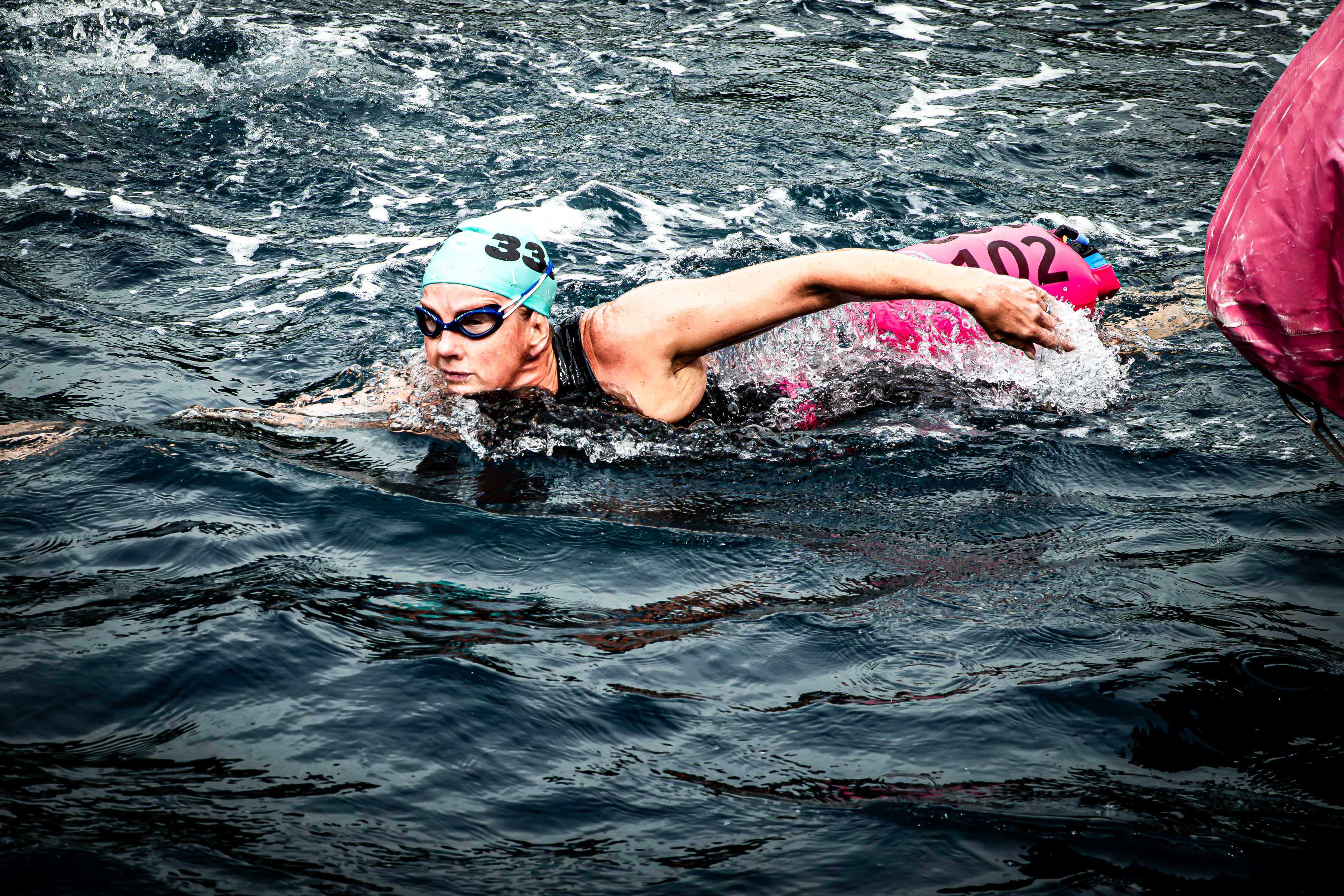
Sighting is lifting your eyes just above the surface every six to eight strokes to check your line, then dropping straight back into your stroke without losing rhythm. Drafting is swimming on another swimmer's feet or hip, where you save ten to fifteen per cent of your energy in the slipstream. Pacing in open water means starting controlled, settling into a sustainable effort, and finishing strong, rather than sprinting the first 200m as many triathletes do. Master these three and the swim leg stops being a survival exercise and becomes a place to gain time.
- Sight every 6 to 8 strokes
- Draft on feet or hip
- Start controlled, finish strong
Swim with full safety cover
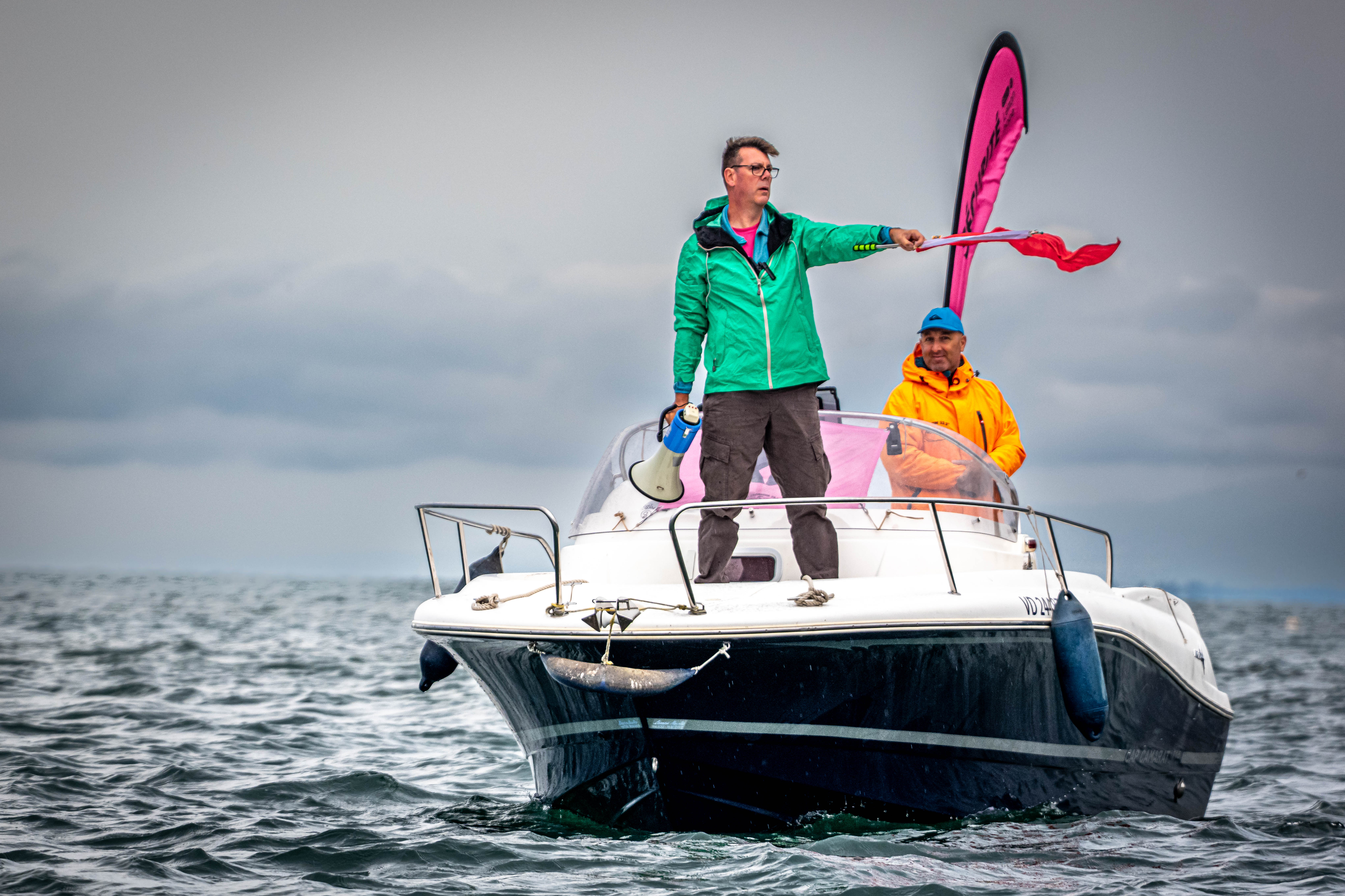
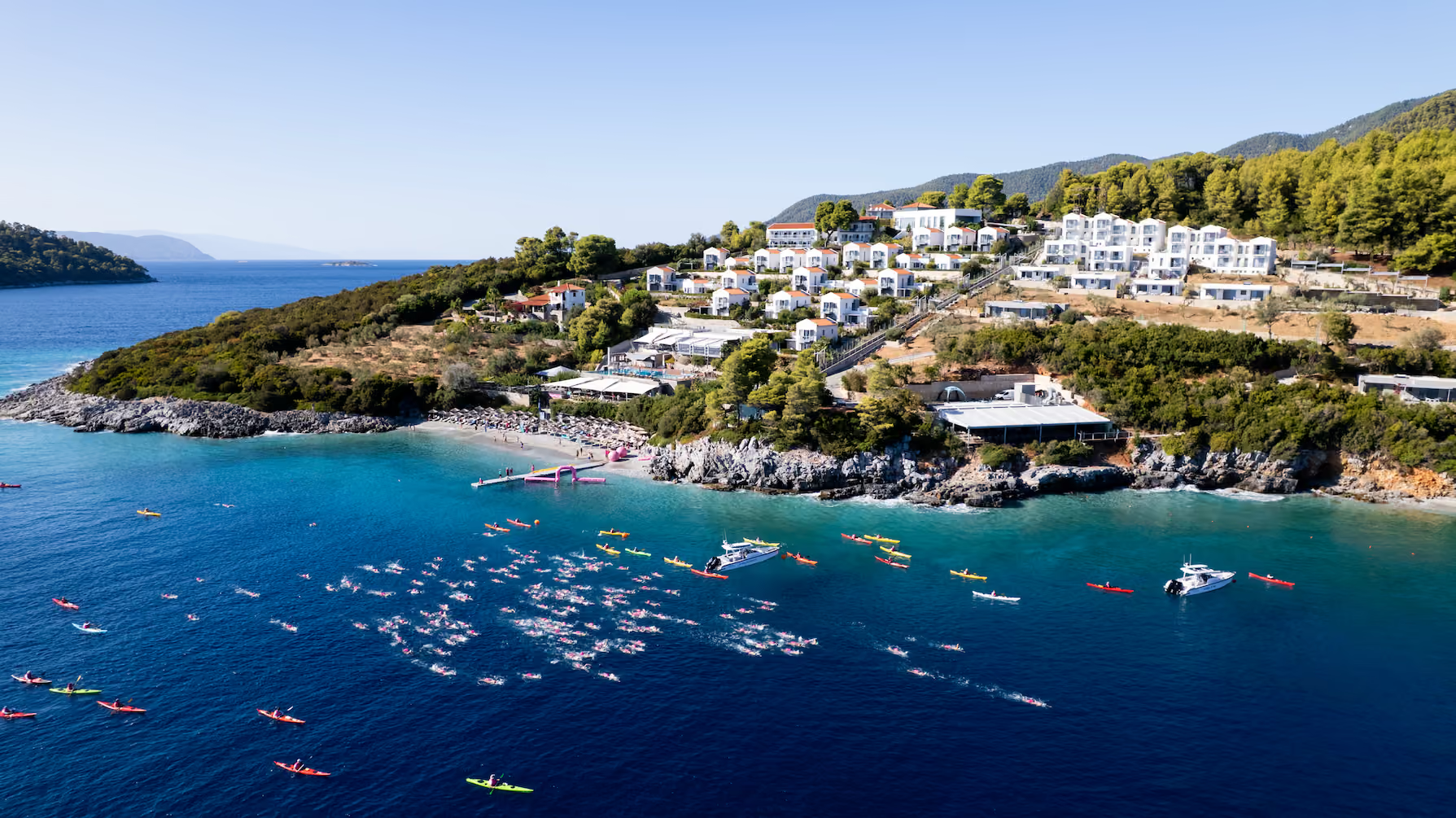
Open water can be intimidating, which is exactly why every UltraSwim 33.3 group swims with two safety boats and two kayaks alongside, GPS tracking and on water feeding, plus a medical and physio team on site. For a triathlete used to a crowded race swim, the calm, fully supported environment is the perfect place to rebuild confidence and skill.
- Two boats, two kayaks per group
- GPS tracking and feeding
- Medical and physio on site
Why open water dedicated events accelerate triathlon swim development
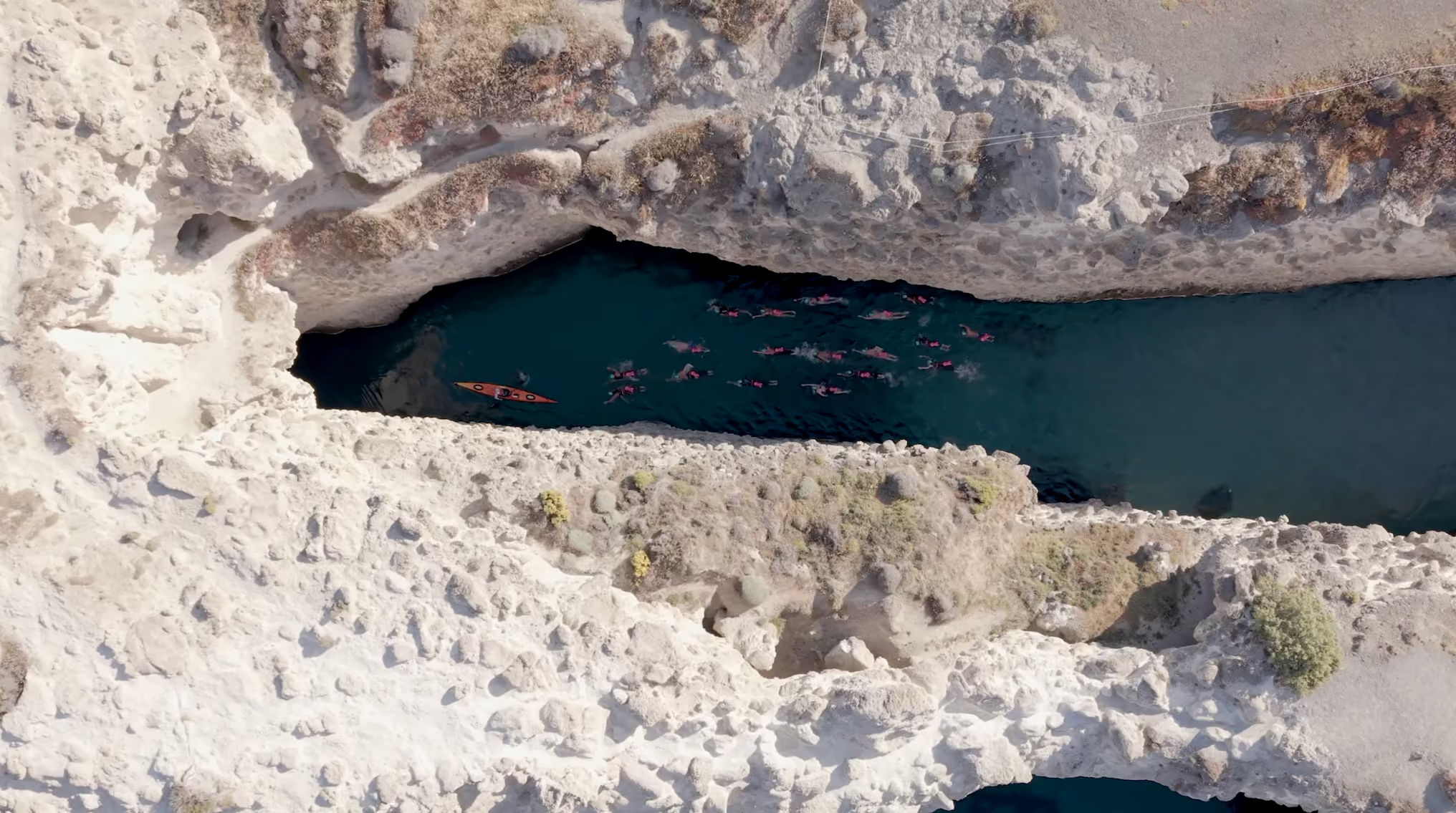
Most triathletes train the swim leg as a duty rather than a craft. Pool sessions get prescribed but rarely scrutinised. The swim turns up at race day and the result is what it has been for years. Dedicated open water events change the relationship. You spend four days inside the discipline. Stroke gets video reviewed by coaches who have raced the Channel. Sighting drills happen in the actual race water, not a 25m pool. Drafting practice happens against other endurance swimmers, not faster pool sprinters. Sea state familiarity accumulates across four days rather than 15 minute warm ups. Most triathletes drop 30 to 90 seconds off their Ironman swim split within six months of returning.
Four days, all inclusive
From 1,800 euros, your package covers four days of supported swimming, luxury hotel accommodation, breakfasts and lunches, transfers and a preparation programme. For a triathlete it is a focused swim block and a holiday in one, with everything organised so you can put all your energy into the water and the skills you came to build.
- All inclusive from 1,800 euros
- Hotel, meals and transfers
- A focused swim block
DOWNLOAD THE FULL EVENT INFORMATION PACK
Below, you can see pricing calculators for all our 2027 events to tailor an event package to you.
Open Water Fundamentals for Triathletes
Everything you need to know about the event, the format and booking.
How to sight correctly without destroying your stroke
Poor sighting is the single biggest time waster in triathlon swimming. Most triathletes lift their heads too high and too often, causing their hips to drop and their stroke rate to suffer. The correct technique is a two phase lift: first lift your eyes just above the waterline to check the buoy, then complete a normal breath to the side. Practise sighting every 8 to 12 strokes in training until it becomes automatic. Use landmarks as well as buoys: the horizon, a building, a tree. In race conditions, buoys are often obscured by athletes and waves.
Mass starts, seeding, and surviving the first 200 metres
The start of an open water swim is chaotic by design. Bodies, arms and wash converge in the first 200 metres and panic is common even in experienced triathletes. Seed yourself honestly. Starting at the front when you are not a fast swimmer is dangerous and costly. Seed slightly wide of the main pack and let the first wave clear before settling into your stroke. Know your exit before you start: a wide line is often faster than fighting through bodies for a direct route.
Wetsuit swimming and buoyancy management
A wetsuit changes your body position significantly. The additional buoyancy raises your hips and legs, which is generally beneficial for triathletes who tend to be leg heavy swimmers. However, it also reduces arm flexibility and changes the feel of your pull phase. Train in your wetsuit at least six times before your target race. Practise the transitions, because unzipping and stripping while running takes coordination. Wetsuit legal water temperature cut offs vary by race, typically below 24.5°C for elite and 25.5°C for age group.
Drafting legally and effectively
Unlike cycling, open water swim drafting is legal in triathlon. A swimmer sitting directly behind or slightly to the side of a faster swimmer's hips can save 15 to 25 per cent of their effort for the same pace. If you can find a swimmer slightly faster than you who is swimming a good line, sitting on their feet is one of the highest value tactics available to you. Practise this in open water sessions, because pool drafting is different: the turbulence pattern changes without lane ropes.
Pacing the swim for T1 and the bike leg
The swim is not where triathlons are won. They are won on the bike and run. The optimal triathlon swim strategy is controlled effort: fast enough to swim your potential, not so hard that you arrive at T1 with elevated heart rate and oxygen debt that takes 10 to 15 minutes of cycling to clear. Most triathletes swim 10 to 15 seconds per 100m slower in open water than the pool for the same effort. Build this into your pacing strategy.
Make the swim your strength
Nothing great is easy. Turn your weakest discipline into your strongest across four days of warm open water. A 500 euro deposit secures your place, fully refundable within 30 days.
Choose your event