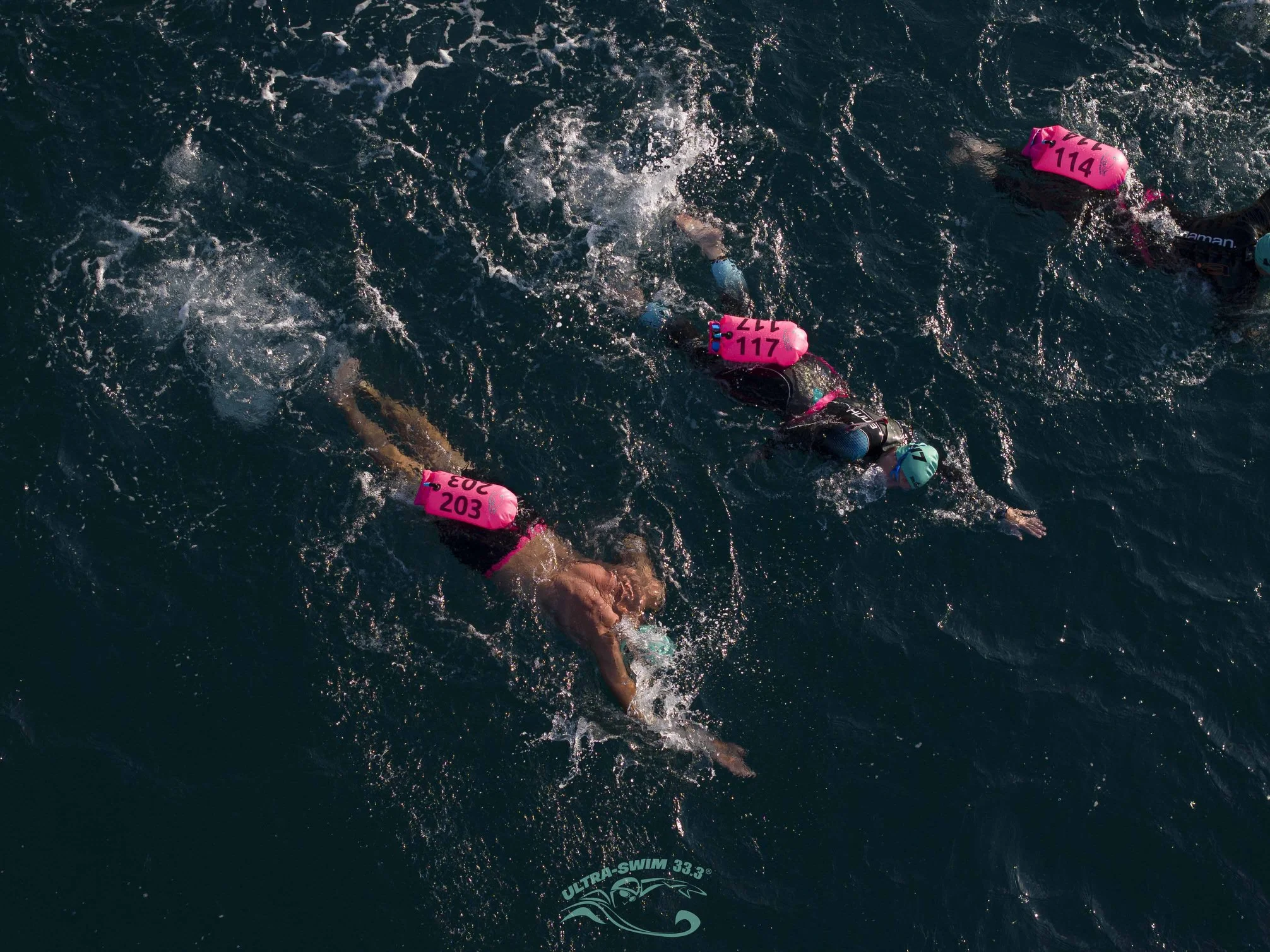
Oceanman Training Plan: Build to 10km in Open Water.
A structured approach to preparing for the Oceanman 10km. From base building to open water confidence to race day readiness, the progressive plan that delivers results.
TRAINING FOR OCEANMAN

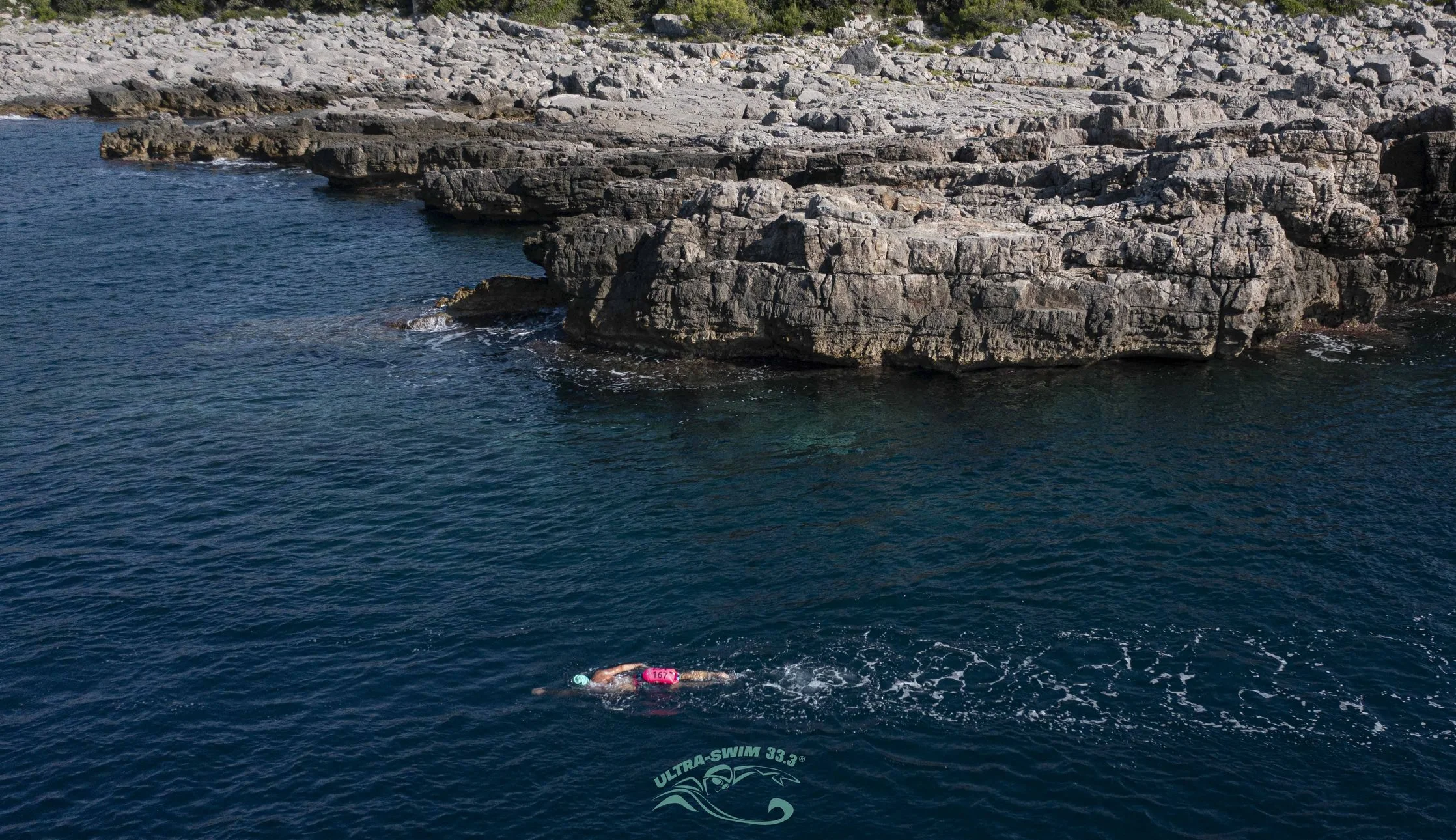
How to train for an Oceanman 5km or 10km
Most swimmers preparing for their first Oceanman 10km need 16 to 24 weeks of consistent training. If you are already swimming 2km to 3km per session in the pool, you are closer to the start than you think. The gap between pool fitness and open water racing is mostly about confidence, navigation and pacing, not raw speed.
Plan three to four sessions per week: two in the pool for volume and technique, one open water session for conditions practice, and a longer weekend session that builds your endurance base towards race distance.
16 Weeks to Oceanman 10km

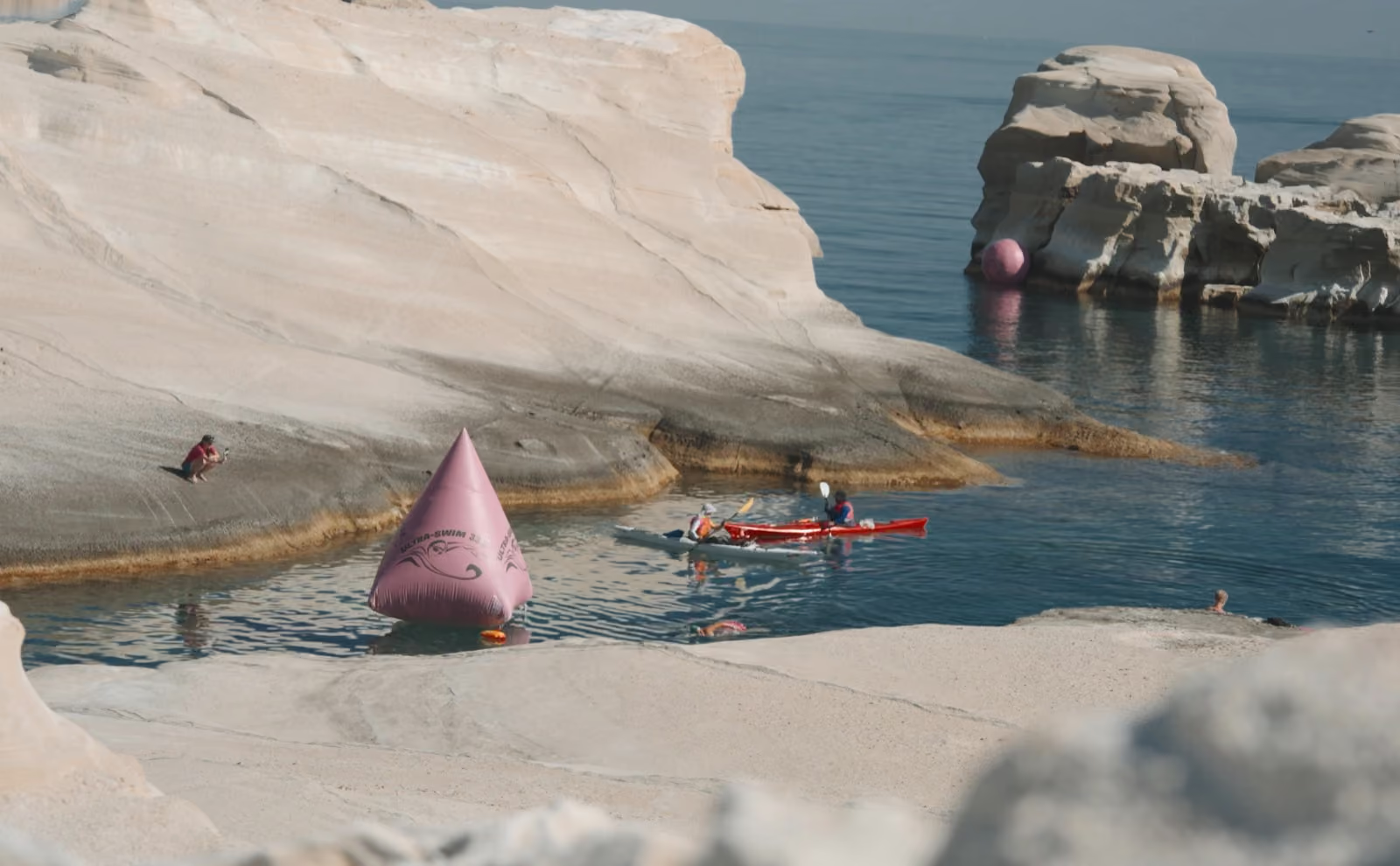
Nothing great is easy.
Captain Matthew Webb, first to swim the English Channel, 1875
A simple block structure that works
A clear way to organise any open water build is in four blocks. Foundation, weeks one to four, lays an aerobic base. Building, weeks five to eight, adds volume and your first open water sessions. Strength, weeks nine to twelve, adds intensity, race pace work and longer swims. Peak and taper, the final weeks, sharpens you then backs off so you arrive rested. The free UltraSwim 33.3 seventeen week plan follows exactly this shape, and because a 33.3km event splits the distance into four daily swims of 7 to 9km, you train for a daily distance most committed swimmers can reach.
- Foundation and building
- Strength and intensity
- Peak and taper
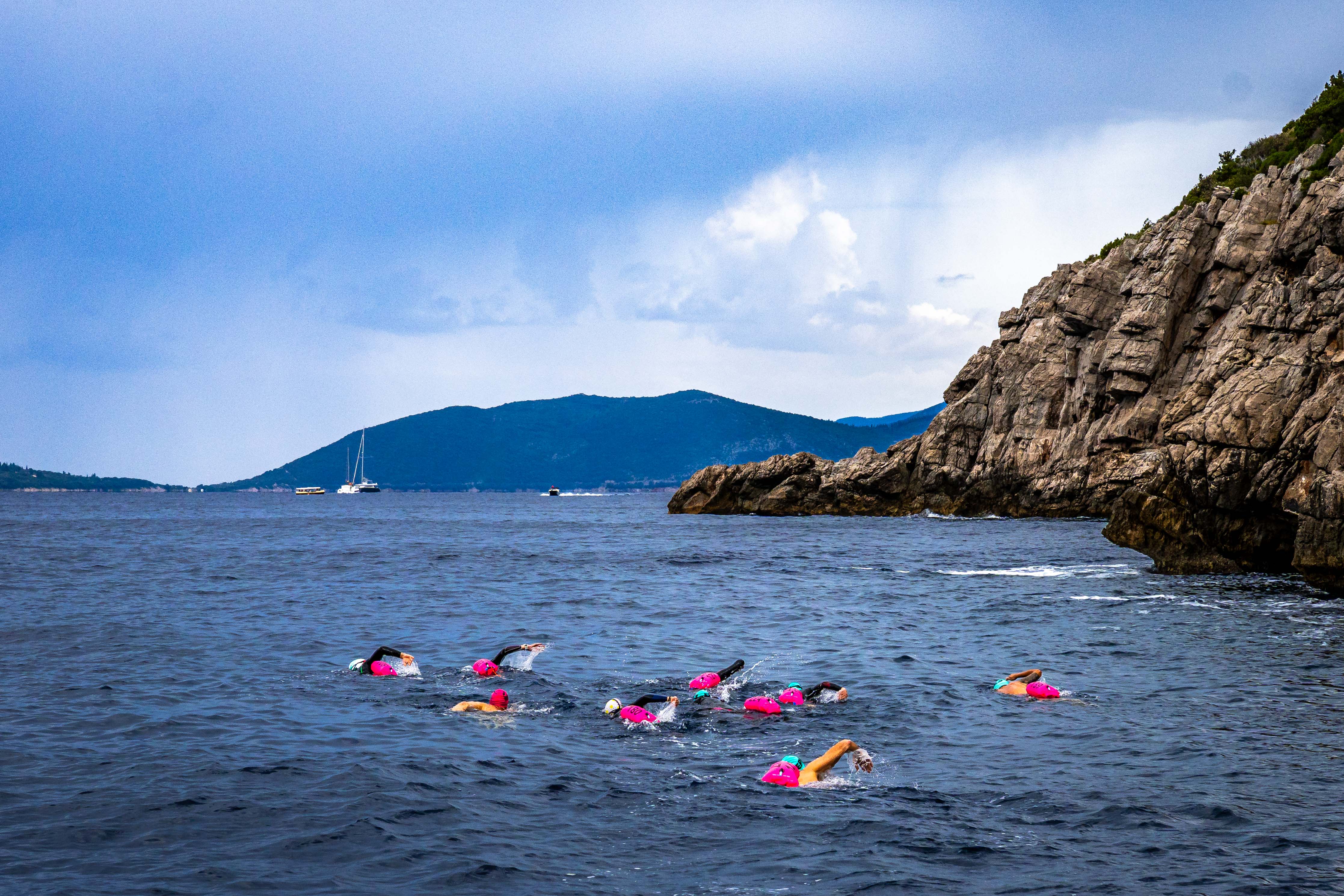
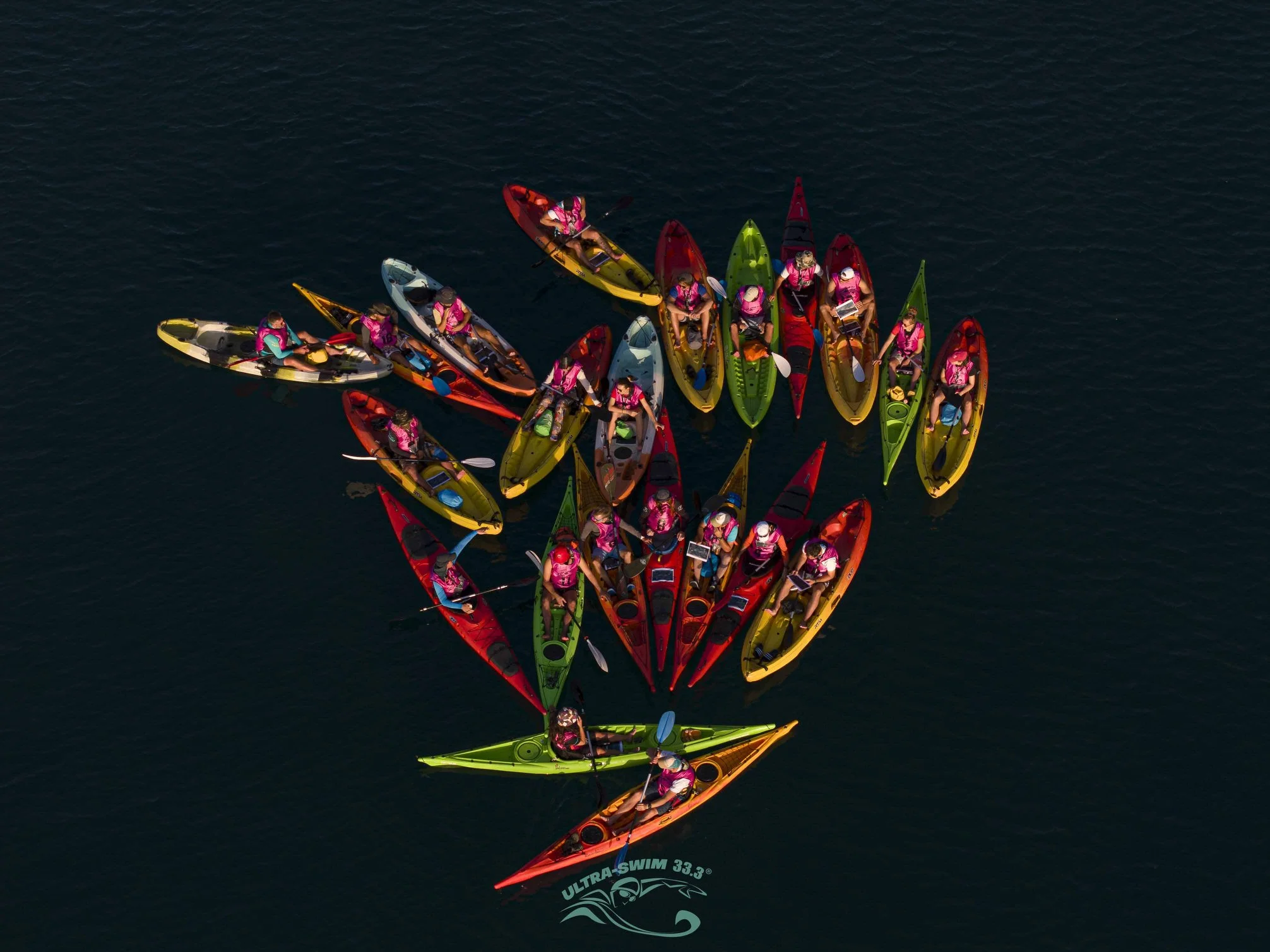
World class safety on the water every day
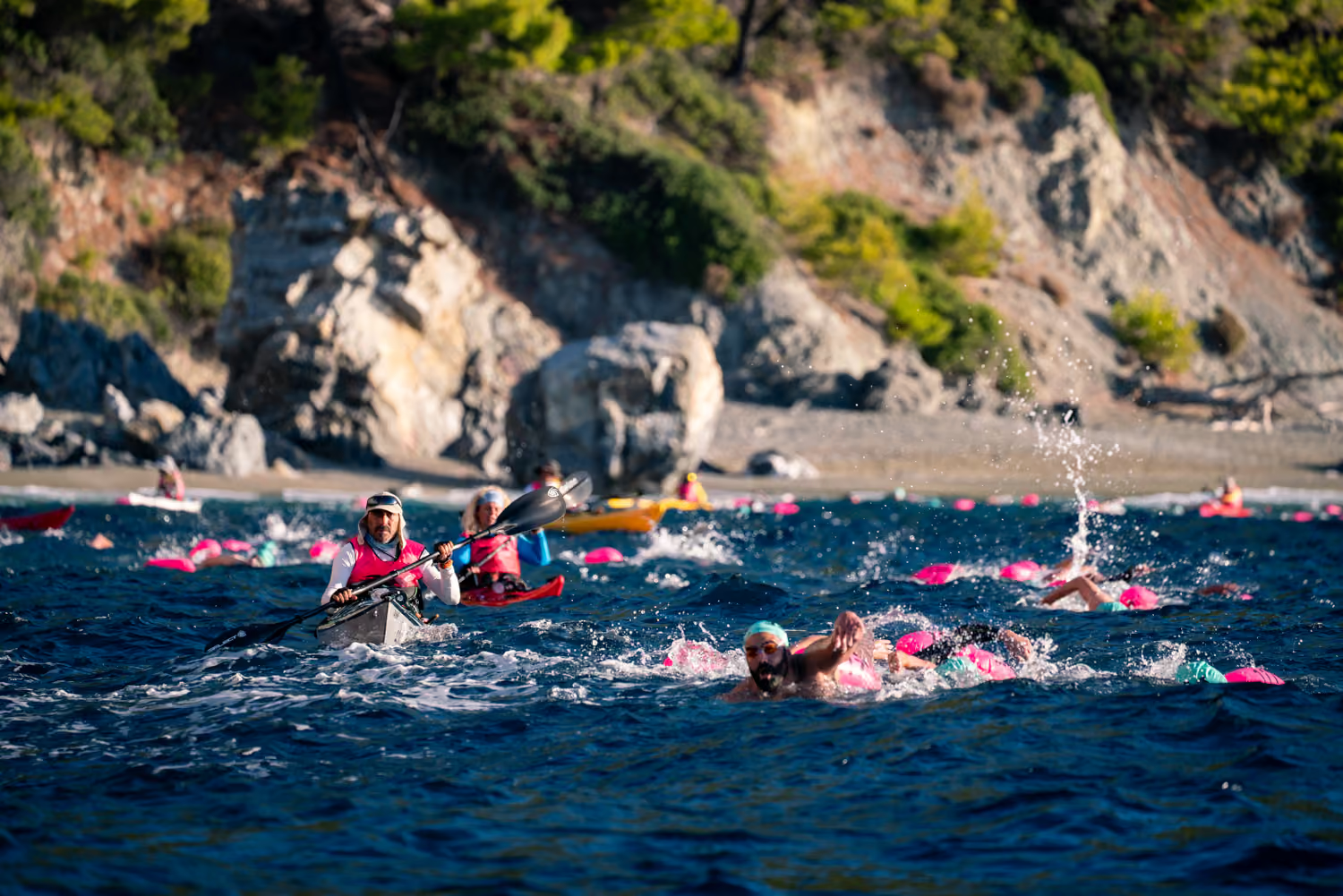
Where a single day race is supervised but largely self reliant within the field, an UltraSwim 33.3 event surrounds every swimmer with continuous support. Each group swims with two safety boats and two kayaks, GPS tracking, on water feeding, and a medical and physio team on site. You are never more than a few metres from help, which is what makes a four day, 33.3km undertaking feel safe rather than daunting.
- Two boats and two kayaks per group
- GPS tracking and feeding
- Medical and physio on site
The 16 week build to Oceanman race fitness
Oceanman race preparation depends on the distance you have entered. A 5km build runs 12 weeks from a base of 2km comfortable continuous swimming. A 10km build runs 16 weeks. A 21km build runs 20 to 24 weeks. The macro structure is consistent: a four week base, a six week build, a four week peak and a two week taper. Pool sessions sit at 60 per cent of total volume in the base phase and drop to 40 per cent by the peak phase as open water sessions rise. Brick sessions matter, since back to back days mimic Oceanman race conditions. Long open water swims start at 1.5 times race distance for 5km, once for 10km, and three quarters for 21km. Recovery is the line you cannot cross.
- 12 to 24 week macro structures
- Volume builds, intensity peaks
- Recovery is the constraint
What an all inclusive package includes
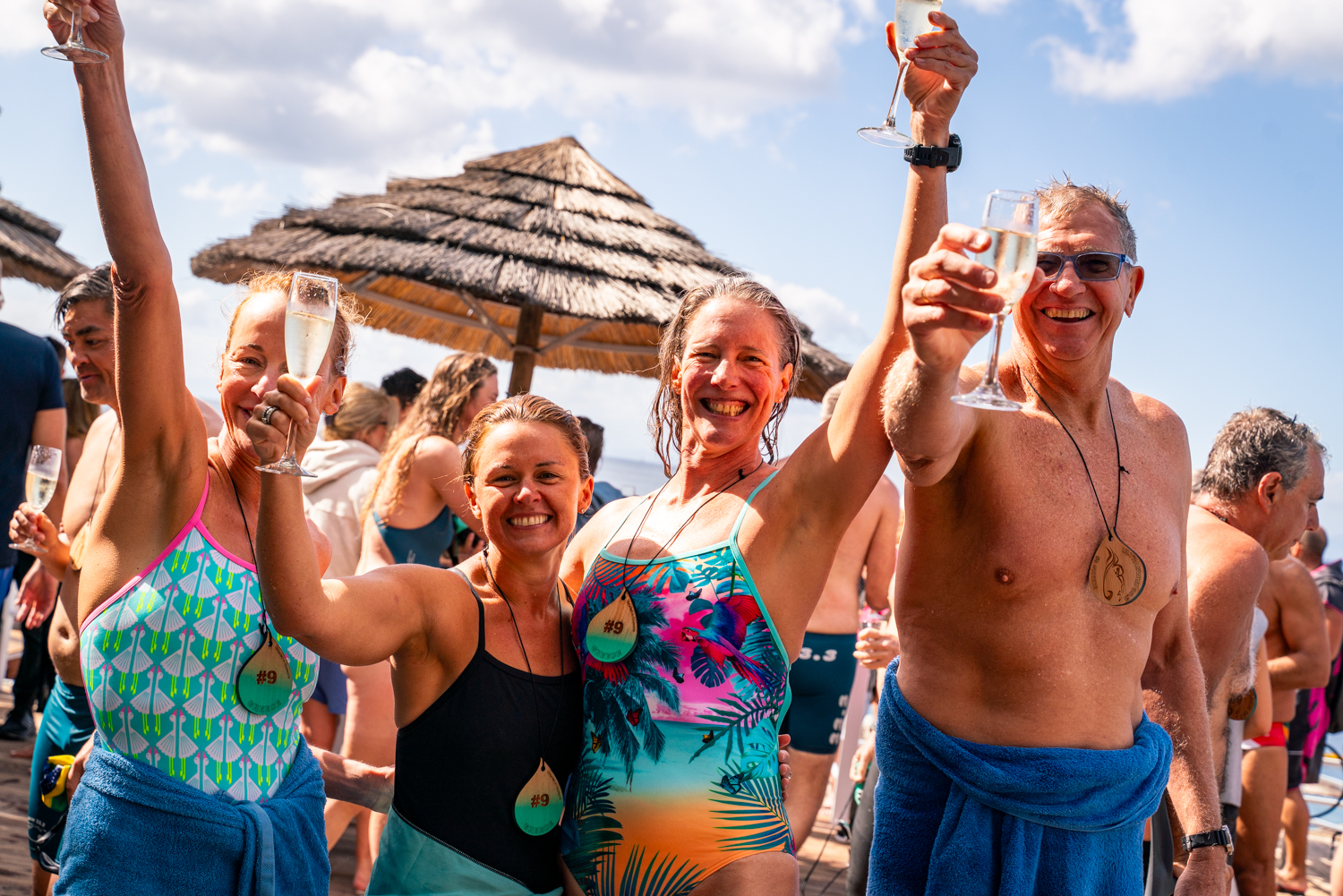
An UltraSwim 33.3 package, from 1,800 euros all inclusive, covers four days of supported swimming, luxury hotel accommodation, breakfasts and refuel lunches, transfers, a preparation programme and a finisher experience. When you weigh a race entry plus travel and hotels against an all inclusive multi day package, the value of the four day format becomes clear, and the memories last far longer than a morning.
- All inclusive from 1,800 euros
- Hotel, meals and transfers
- A finisher experience
Your Oceanman Training, Answered
TRAINING QUESTIONS
How long should an Oceanman training plan be?
For the 10km, most swimmers train for 12 to 16 weeks from a reasonable base. Shorter Oceanman distances need less. The plan should build your weekly distance gradually, sharpen your open water skills, and include a taper into race week so you arrive fresh.
How many swims a week do I need?
Three to five is typical: one or two endurance swims, a technique session and some faster work. Quality and consistency matter more than piling on junk distance. Recovery weeks keep you progressing without breaking down.
Should I train in open water or the pool?
Both. The pool is where you build fitness and refine technique efficiently. Open water is where you learn sighting, swimming straight and handling chop. Aim to get into open water regularly in the weeks before your race.
How do I bridge from Oceanman to a longer swim?
Keep your base, then extend your long swim steadily and practise feeding on the move. Once 10km feels controlled, the jump to a multi day event like UltraSwim 33.3 becomes a question of repeating the effort, which the 16 week programme is built to prepare you for.
What is the most common training mistake?
Doing every swim at the same medium effort. Mix easy endurance, steady work and a little speed, and respect recovery. Swimmers who vary their training and feed well in long swims tend to race far stronger than those who simply grind.
For many swimmers it is UltraSwim 33.3: the iconic 33.3km English Channel distance across four warm water days. If you have trained for and finished an Oceanman race, you already have the base to start the step up.
Still have questions?
The team is here to help with anything about the event or your booking.
Get the UltraSwim 33.3 information pack
Everything you need to plan your event, including dates, packages, water temperatures and what is included, in one download.
How to step up your training, in order
Step 1. Build a reliable base
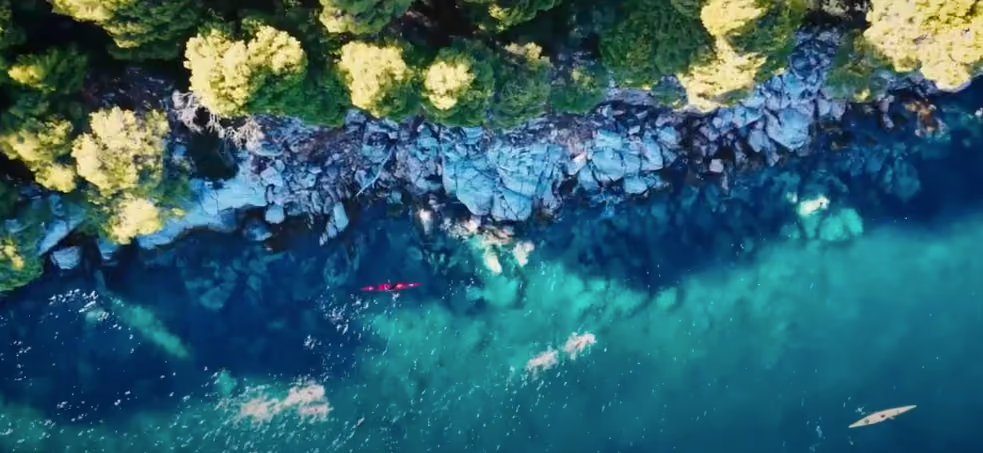
Swim three to four times a week and grow your longest continuous swim towards 5km. Mix easy endurance with a weekly threshold set so your sustainable pace lifts as your volume grows.
Step 2. Take it into open water
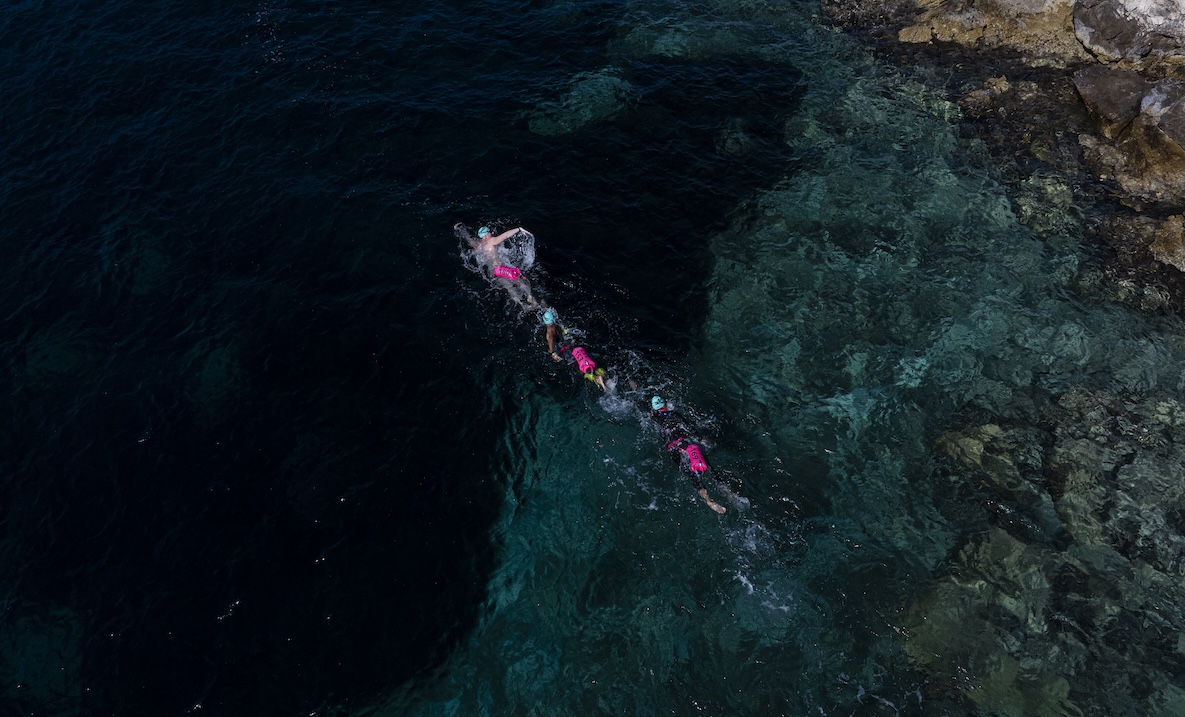
Add a weekly open water session for sighting, swimming straight and handling chop. Practise feeding on the move and get comfortable starting in a group rather than pushing off a wall.
Step 3. Rehearse the distance
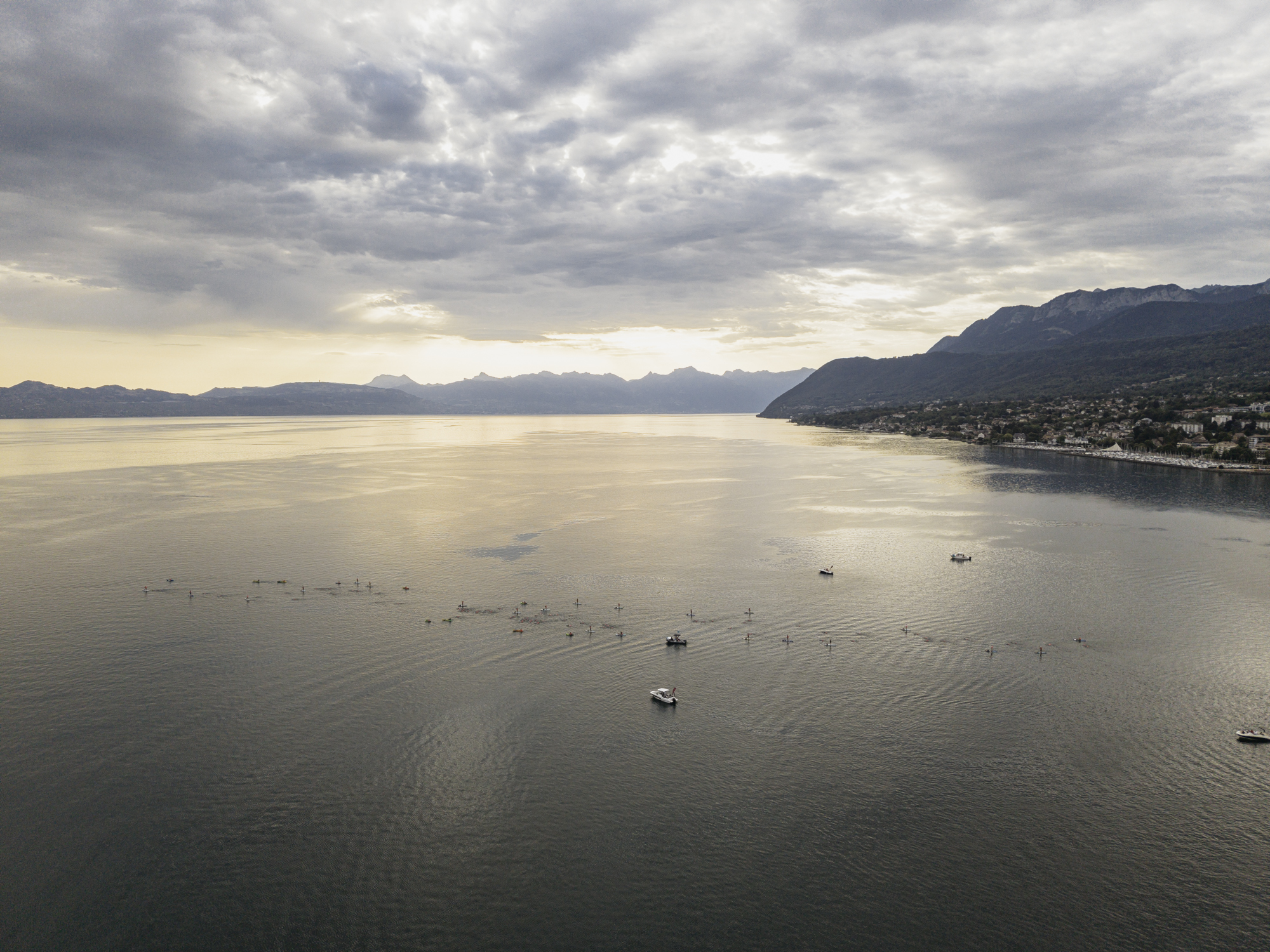
Build to two long swims of 6km to 8km at an honest race pace, then repeat efforts across a weekend so back to back days feel familiar. This is the bridge from a single race to a multi day event.
Step 4. Choose your first 33.3
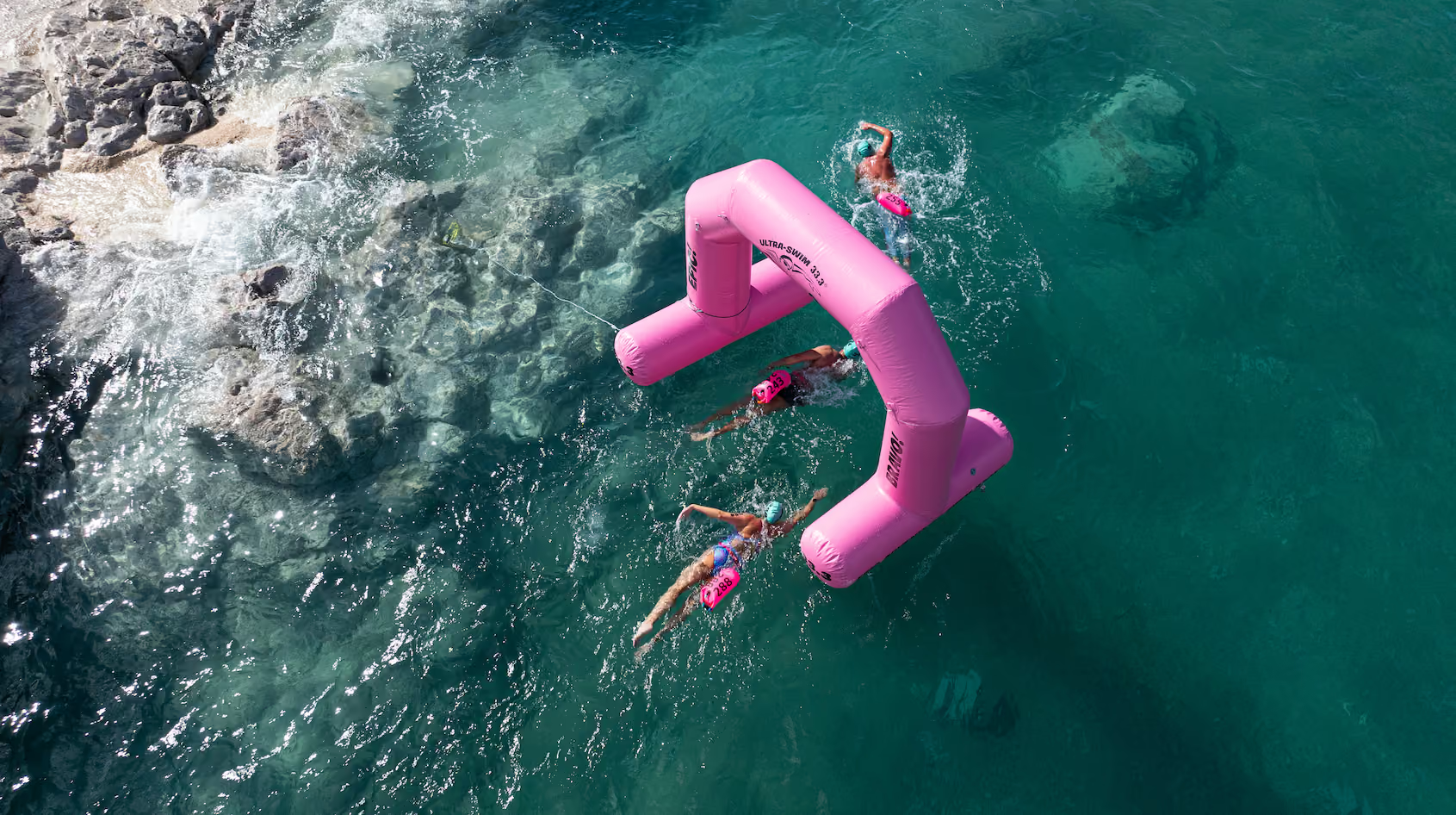
Once 10km feels controlled, the step up to the 33.3km English Channel distance across four warm water days is a question of repeating the effort. Pick the edition that fits your year and start the sixteen week build.
Plan your next step
Set a bigger goal
Nothing great is easy. Put your Oceanman fitness to work over four days and 33.3km in warm water. A 500 euro deposit secures your place, fully refundable within 30 days.
Choose your event